6.0, VMware

VMware 6.0 Configuring vCenter Server ELM (Enhanced Linked Mode)

Hello Again

I show you in earlier blog how to configure Linked mode for VMware 5.5  As a result of these architectural changes, Platform Services Controllers can be linked together. Previously, vCenter Linked Mode was only available for Windows vCenters.

Until the release of vSphere 6.0, the new vCenter Enhanced Linked Mode (ELM) can connect multiple vCenter Servers (both vCenter Servers running on Windows and vCenter Server Appliances) by using one or more Platform Services Controllers.
vSphere 6.0, Platform Services Controller (PSC) was introduced as Embedded PSC for single vCenter Server and External PSC to manage multiple vCenter Servers.

the limitations for Linked Mode with external or embedded PSCs are different:

  • For vCenter Servers deployments with external PSCs, you can join up to 10 external PSCs and 15 vCenter Server systems in a single SSO domain.
  • For vCenter Servers with an embedded PSC, you can join up 15 nodes in one SSO domain.

You can also migrate virtual machines across clusters on separate vCenter instances

so let’s go
This is my Single Sign-on Machine

2
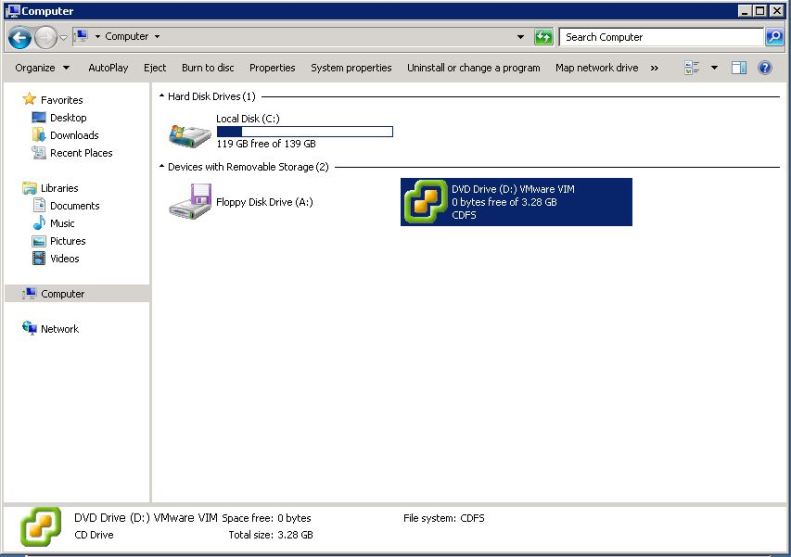
i will run the VMware CD3
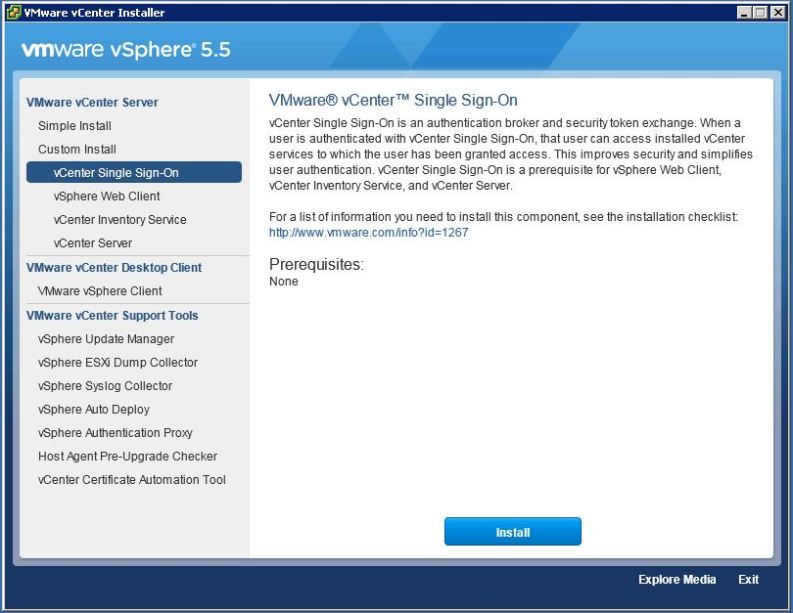
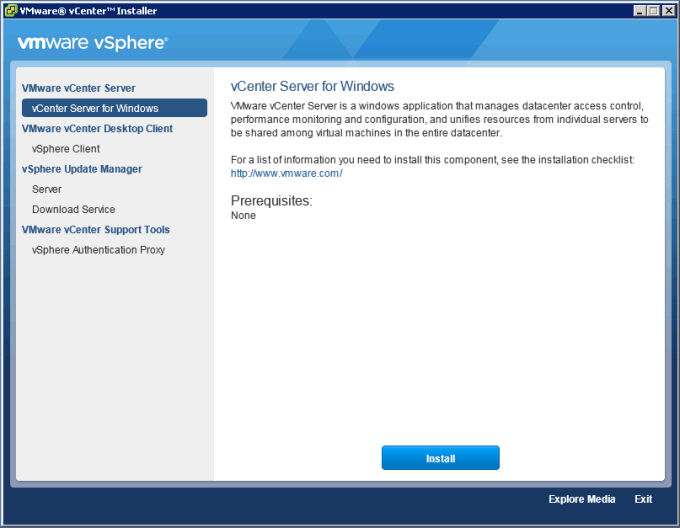
Click Install vCenter Server for Windows4
Click YES
5
Press Next
6
Check the box
I Accept the term of the license agreement7
I choose (Platform Service Controller)8
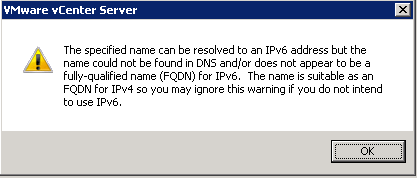
i put the Machine FQDN9
then i click OK
10
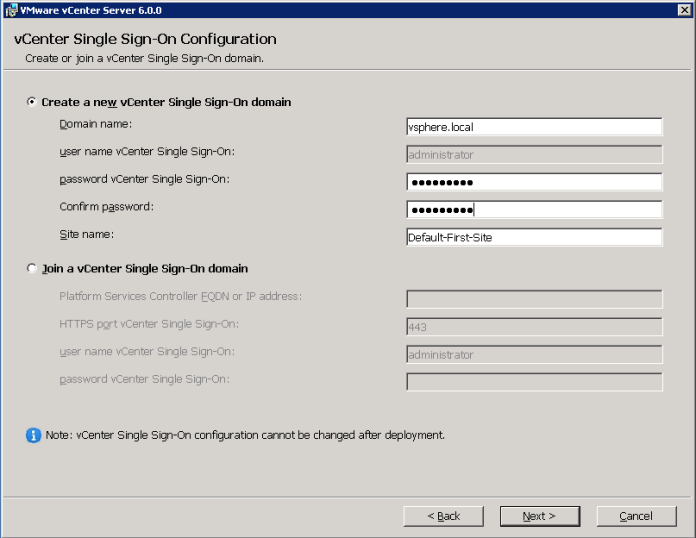
put the domain name, vCenter admin and password and default site name as this is a new SSO11
Leave the port to it default
12
Press Next
13
again Next
14
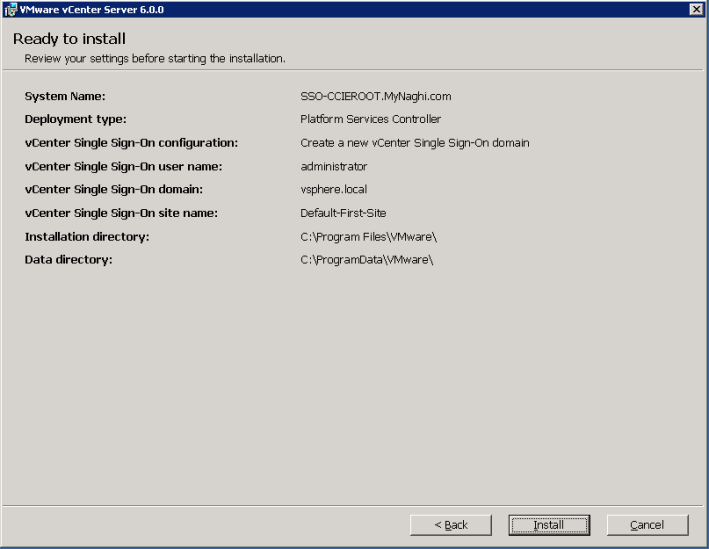
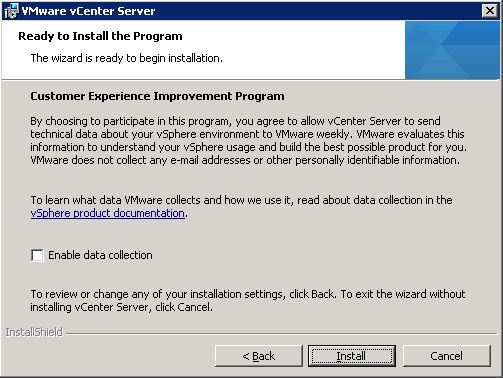
now click Install
15
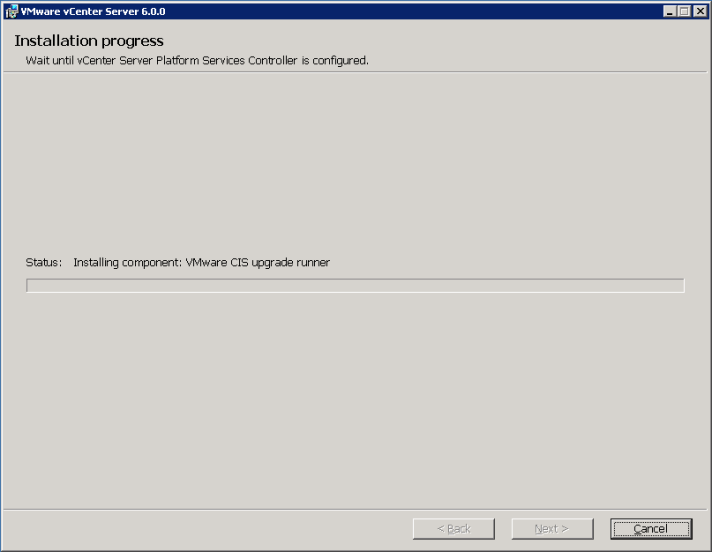
it will take couple of minute
16
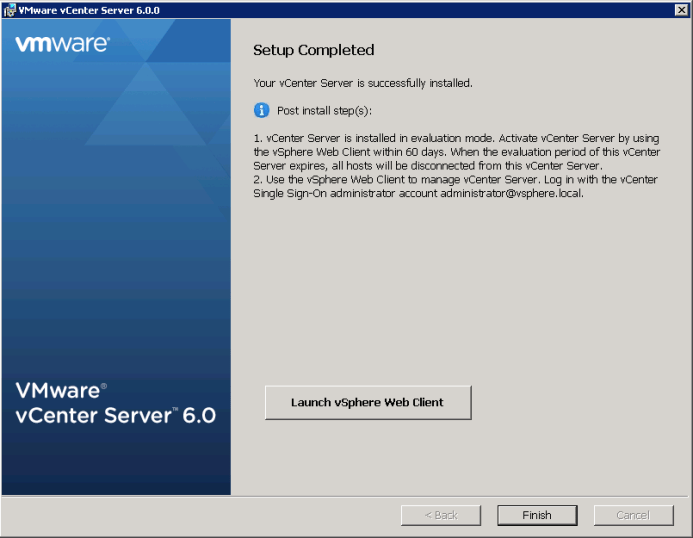
Press Finish
17
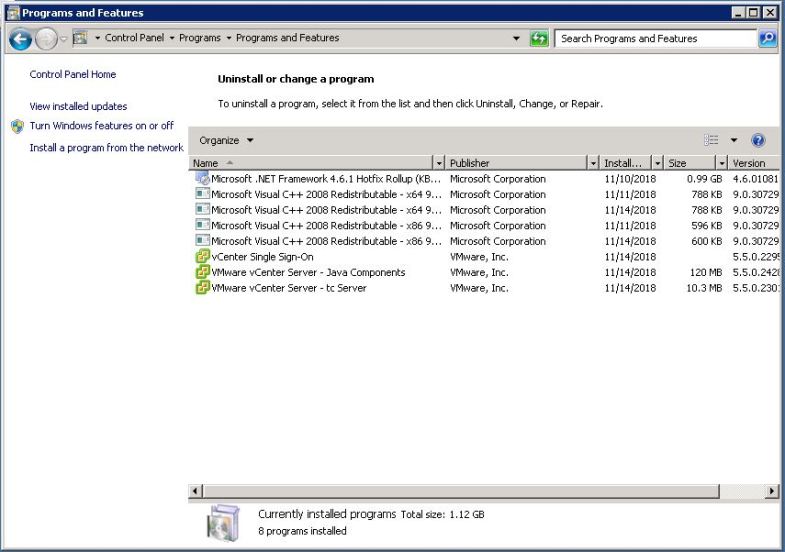
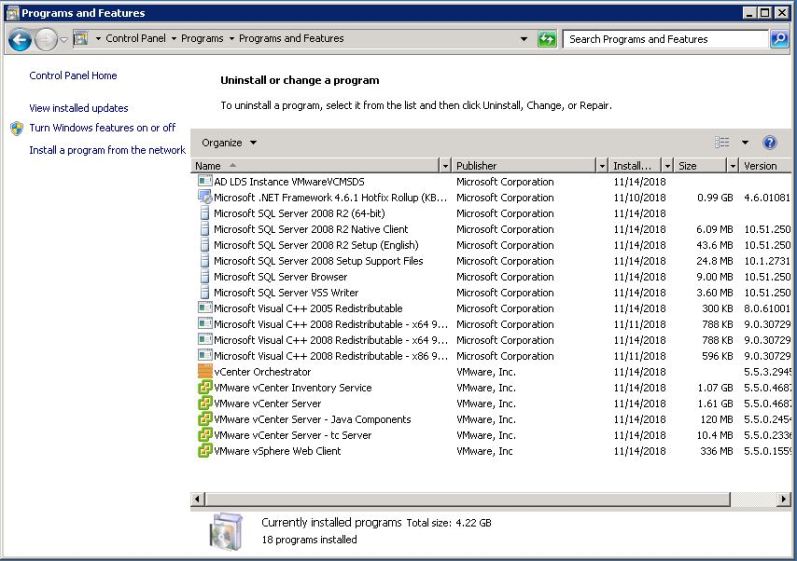
you can go to Program and software and you will fins the software installed on the machine
(platform Service Controller)
18

Now lets go to my First vCenter (VC1-CCIEROOT) 19
Lets start the installation same way20
Click Next
21
Accept the agreement and Click Next22
this time choose Deployment type as (vCenter Server)
1
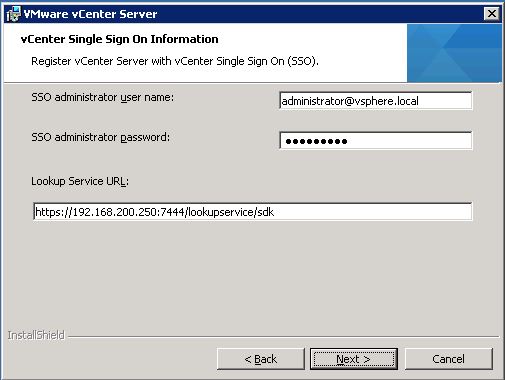
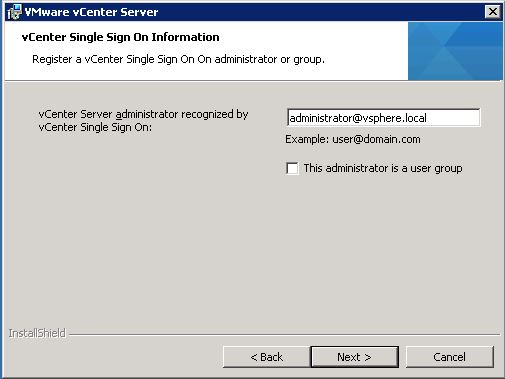
Specify the SSO Server FQDN name or IP Address and the SSO Administrator credentials (administrator@vsphere.local ) which will be the same system running your vCenter SSO service (192.168.200.250)2
Make sure that all vCenter Servers in a Linked Mode group are registered to the same vCenter Single Sign On server.

Click OK to accept the SSO Certificate
3
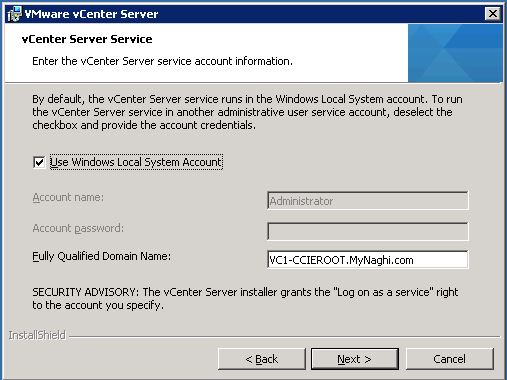
choose to use the Windows Local Account and Click Next4
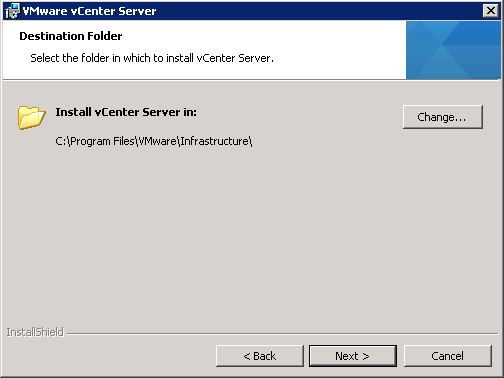
Again Accept the default value and Click Next5
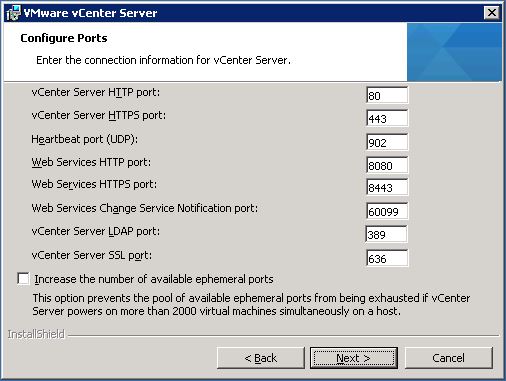
and again accept the default value for ports and Click Next6
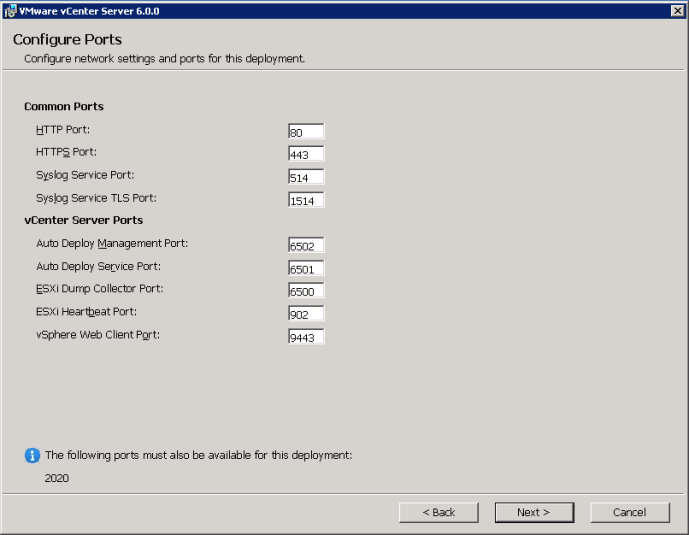
Click Next 😀

7
and Finally Install
8
And Finish
11
you can see the software (vCenter Server with an External PSC)30
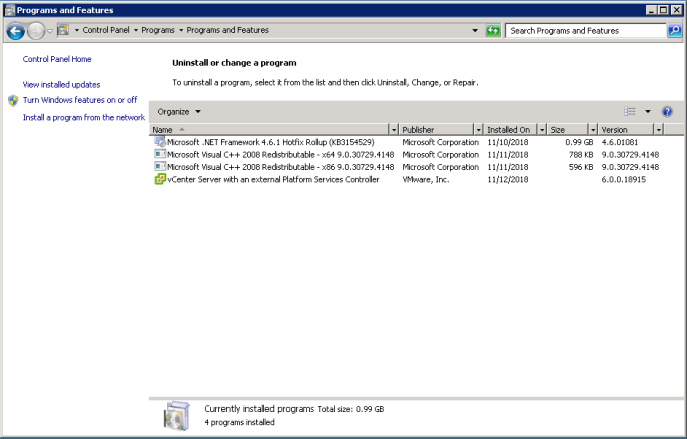
Repeat the same Steps with VC2-CCIEROOT

Now to check your configuration go and browse to any of vCenter IP Address
60
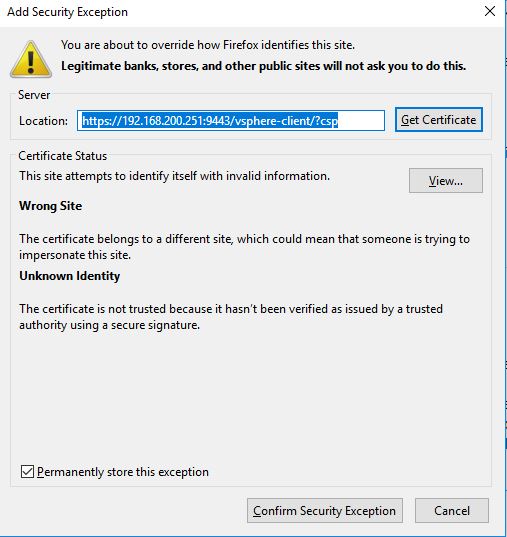
Accept the Certificate
61
Login using the Administrator account62
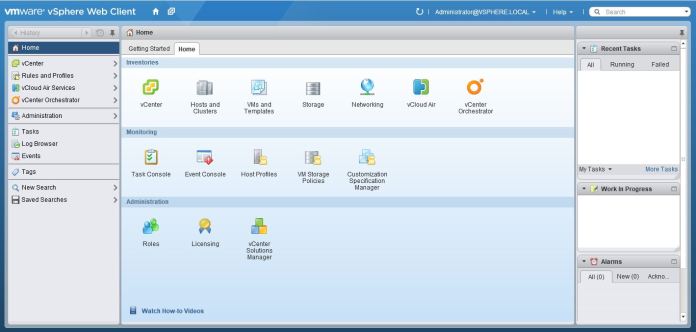
in the dashboard go to Hosts and Clusters26
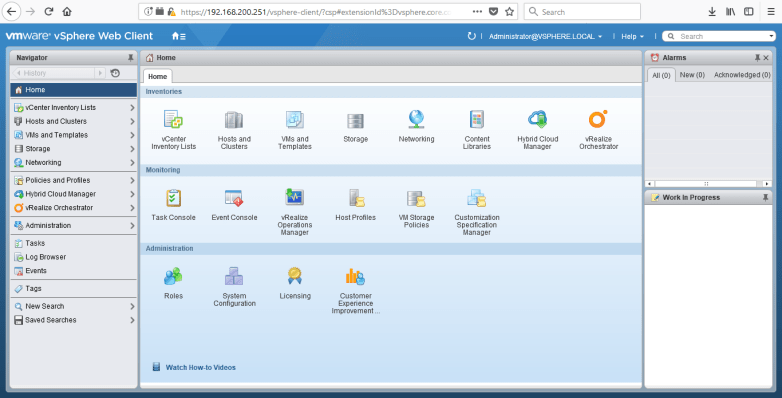
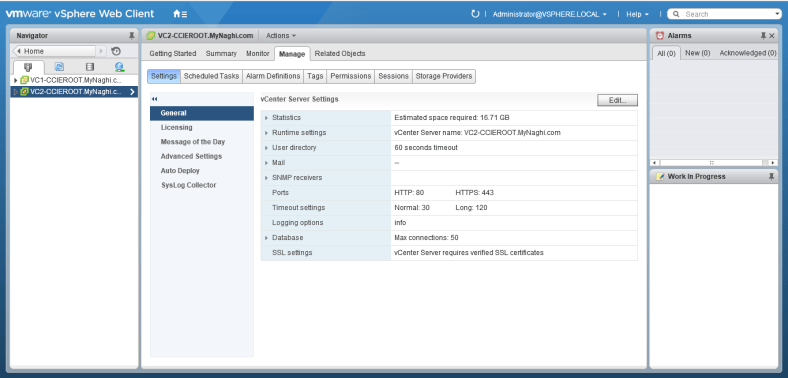
you can see in the right side both vCenter27
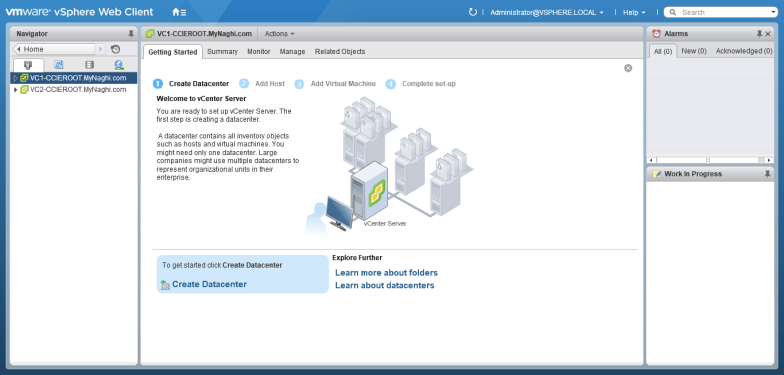
Once selected the vCenter you can see the detail of it under the Manage > Settings > General28
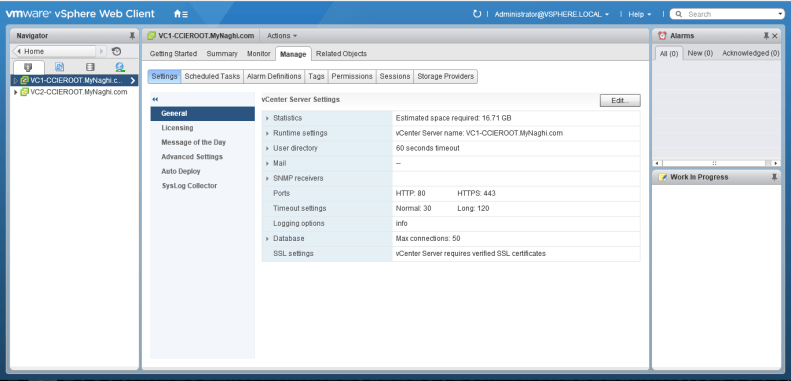
and the same for the second vCenter29

Note:

  • A single vCenter can manage 300 ESXi host with 3000 virtual machines, while using linked mode can manage 1000 ESXi hosts with 10000 virtual machines. 
  • You can create a vCenter Enhanced Linked Mode group only during the deployment of vCenter Server Appliance or installation of vCenter Server. You cannot create a vCenter Enhanced Linked Mode group after you install vCenter Server or after you deploy the vCenter Server Appliance.
  • from vSphere 6.5 U2 and vSphere 6.7 onwards, External PSC has been deprecated, Embedded PSC is recommended to manage multiple vCenter Servers and deploy VCSA with embedded PSCs will be used now and onward.

That is a Win ;D
Standard
5.5, VMware

VMware 5.5 Configuring vCenter Server Linked Mode (Single Console Multiple vCenter)

Now who wouldn’t love to manage his VMware Infrastructure using a single management console. And you can do this with VMware vCenter Linked Mode. it’s available since vSphere 5.1 but im doing it here in 5.5 but let me warn you, there is a degradation in your scalability which i will not Discuss but you always need to check this feature is supported for how many vCenter and how many Hosts
1
i took this picture from kendrickcoleman which explain my design for this scenario and to to tell you the truth i learn alot from this site, even CBTNuggets didnt mention the way to configure vCenter in Linked mode in their Nugget so i had to test alot and here is the way
one of the most important requirement of Linked Mode is that both vCenter Server is Registering to the Same Single Sign-on Server which force me to change my LAB.

My LAB:
Single Sign-on Server (SSO): 192.168.200.250
vCenter 1 (VC1-CCIEROOT): 192.168.200.251
vCenter 2 (VC1-CCIEROOT): 192.168.200.252

I configured my  DNS resolution (forward / reverse working) on all my Windows servers.

Now similar to my second blog where i install vCenetr i will follow the same procedure.1
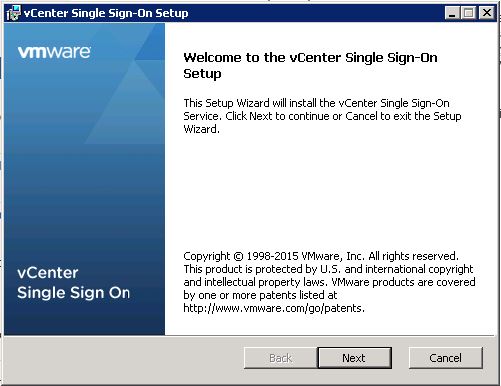
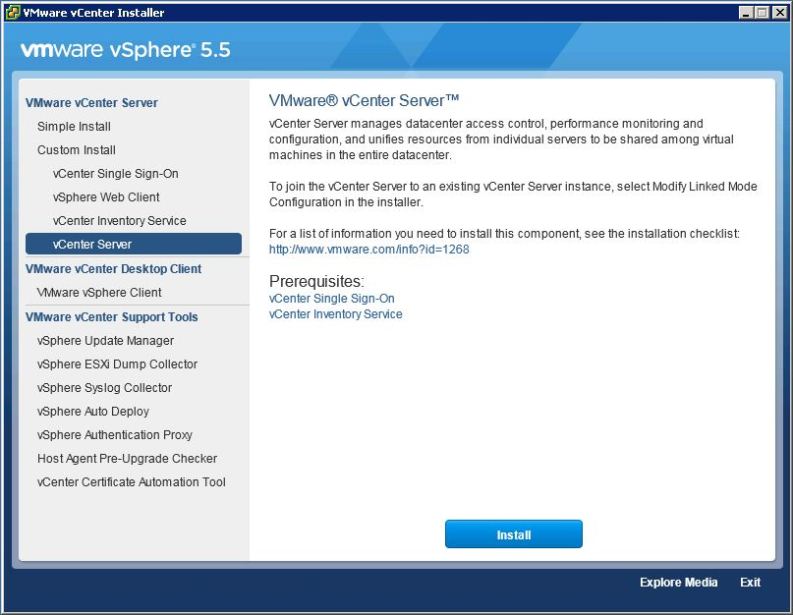
I will choose Custom Install > vCenter Single Sign-On > Install2
Click Next
3
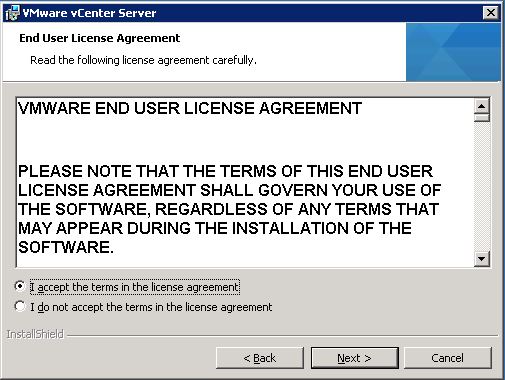
Check the Box to Accept the License Agreement
4
Check the Box to add the AD as my identity source
5
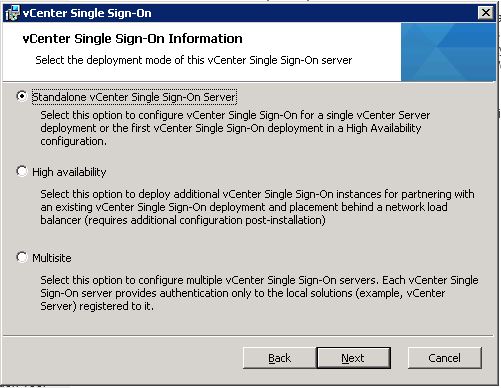
Choose the standalone vCenter Single Sign-On Server
6
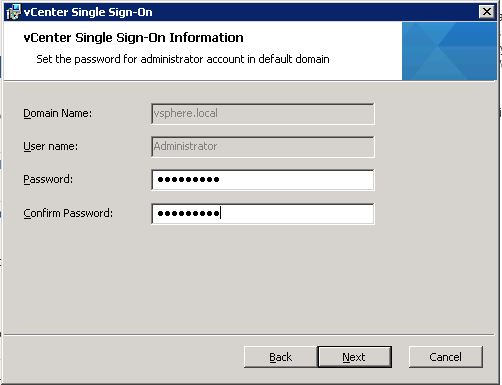
Choose a password
7
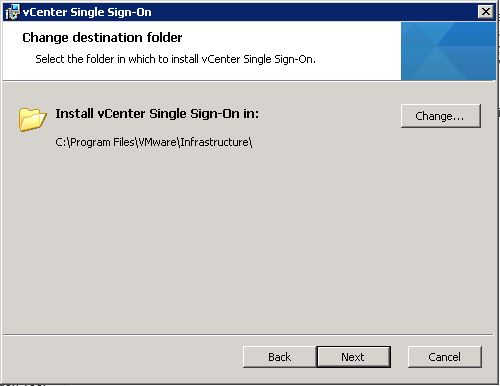
Use the default Site name
8
Click Next for the default port
9
Click Next
10
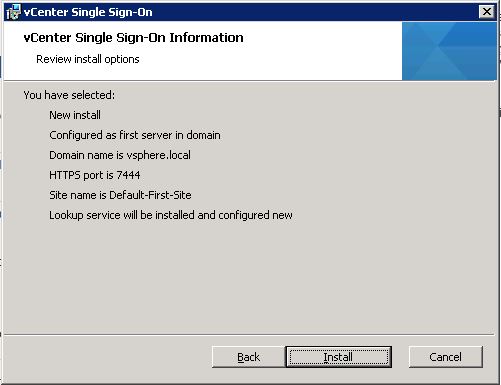
Choose Install
11
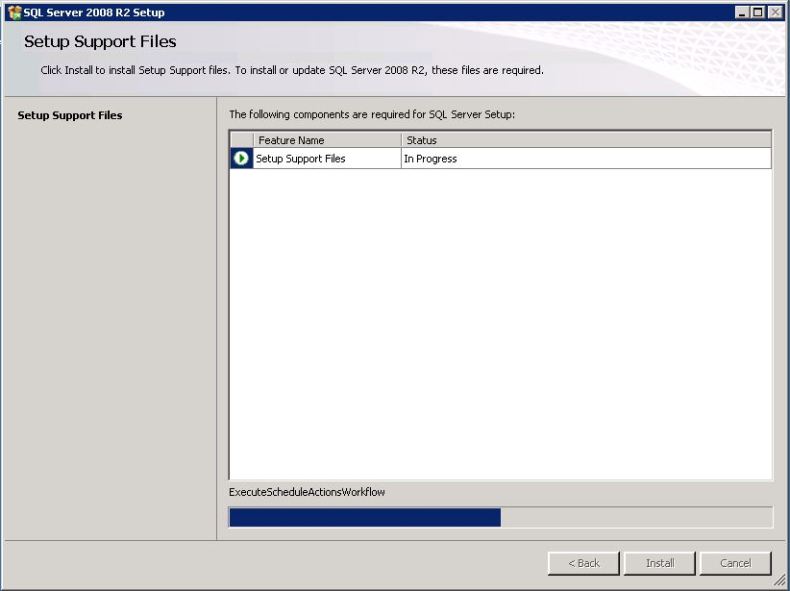
it will take couple of minute to finish the installation
12
Click Finish
13
and here i finish the first part on the first server14

Now we move to the first vCenter (VC1-CCIEROOT) to configure the features
But this time we will Choose vSphere Web Client1
Click OK
2
Click Next
3
Accept the License Agreement
4
Click Next
5
Click Next to accept the default port
6
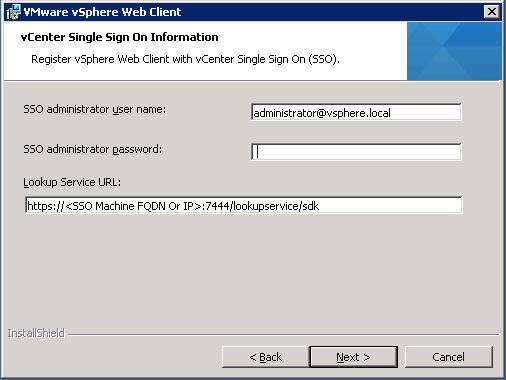
Now the Most Important step is to define the SSO Server
Choose a password
7
and before you press next also put the IP Address of the SSO Server8
Click Yes to accept the SSL SHA fingerprint
9
Click Install Certificates
10
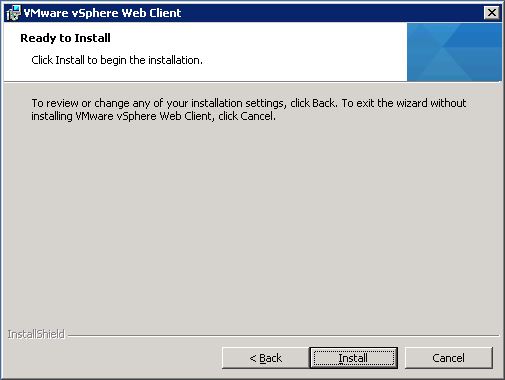
Click Install
11
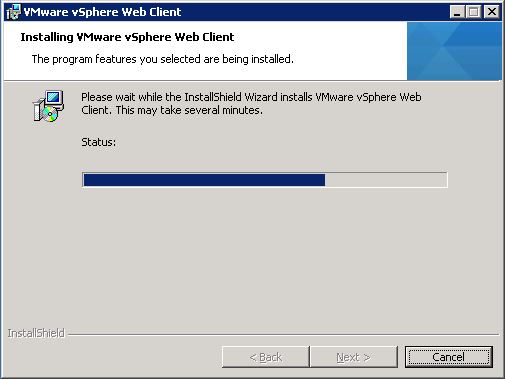
Click Next and it will proceed with the installation
12
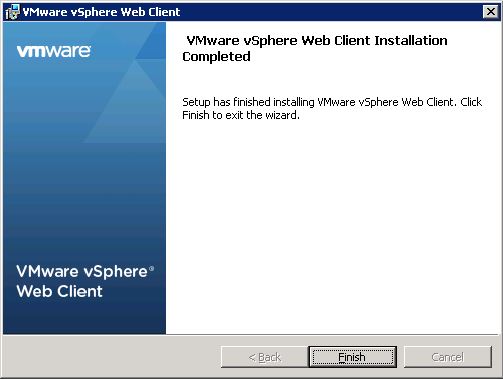
Click Finish
13
and this is a message to let you know the installation is finish successfully
14
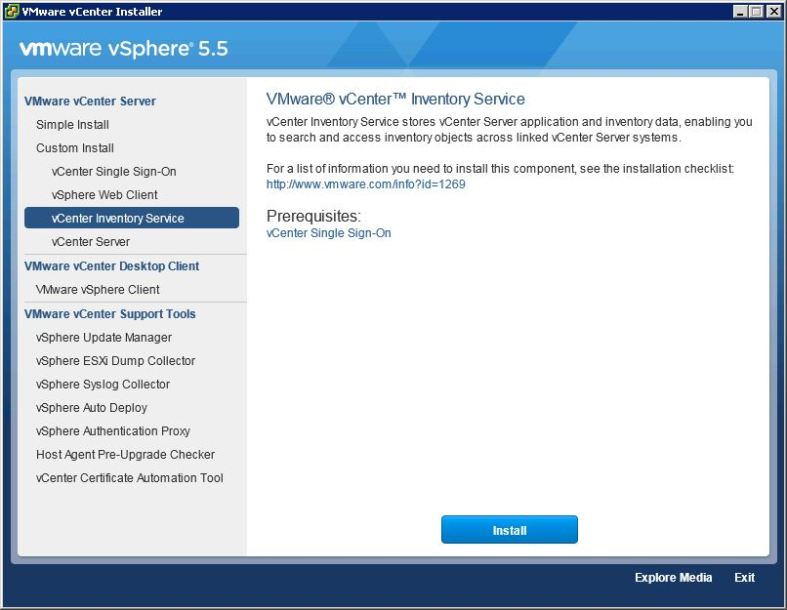
Second step install the vCenter Inventory Service > Install15
Click OK
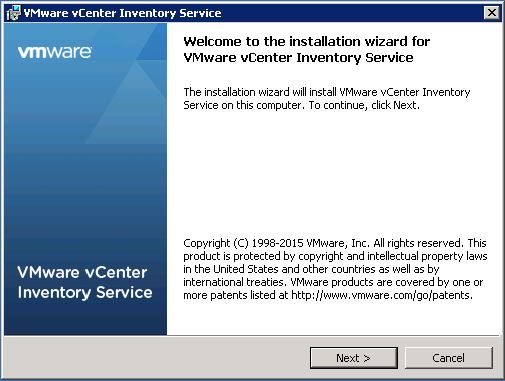
16
Click Next
17
Accept the License Agreement
18
Click Next to accept the location of the installation
19
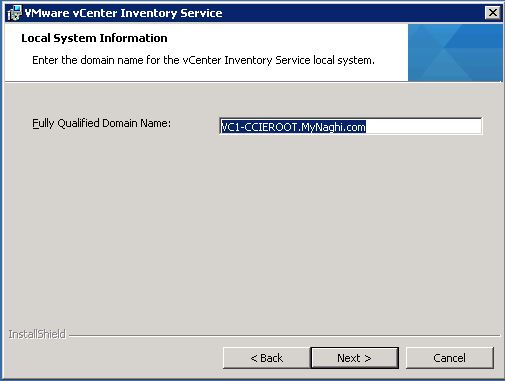
Enter the FQDN for the first vCenter
(VC1-CCIEROOT.mynaghi.com)
20
Click Next
21
Select the Small and click Next
22
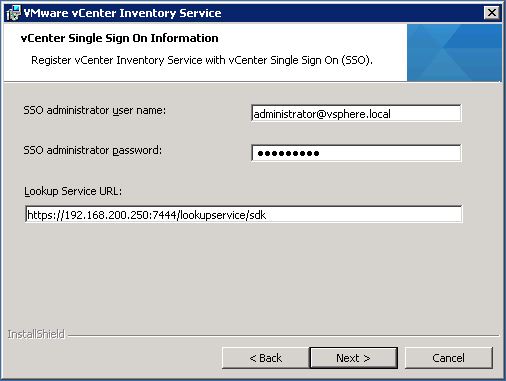
Also again here you enter the SSO Credential and the IP Address of the SSO Server
23
Select Yes
24
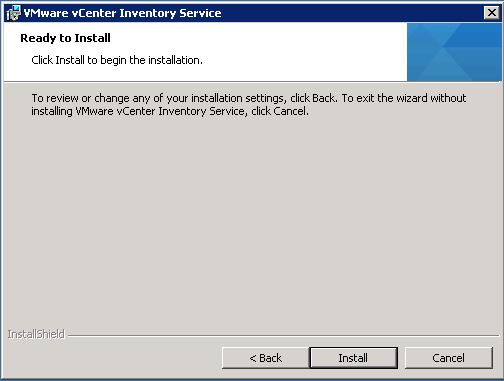
Click Install to start the installation
25
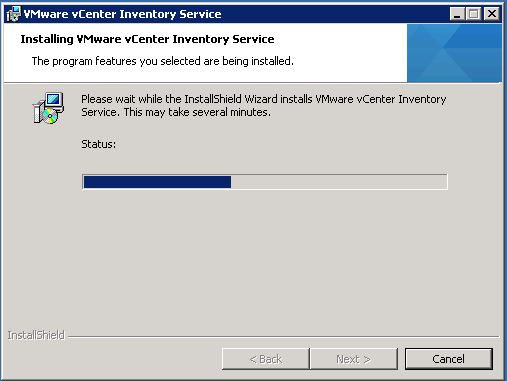
it will take time to finish
26
Click Finish
30
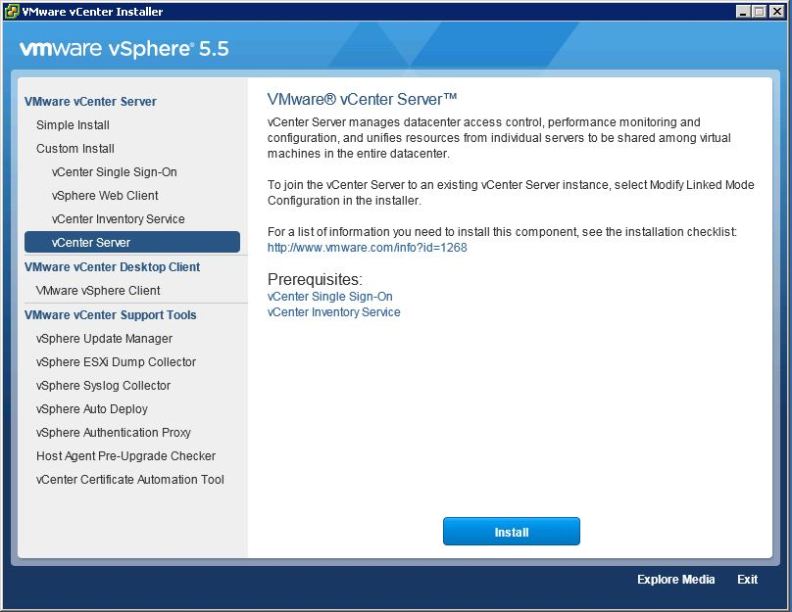
Last but not least Select the vCenter Server > Install31
Click OK
32
Click Next
33
Accept the Agreement
34
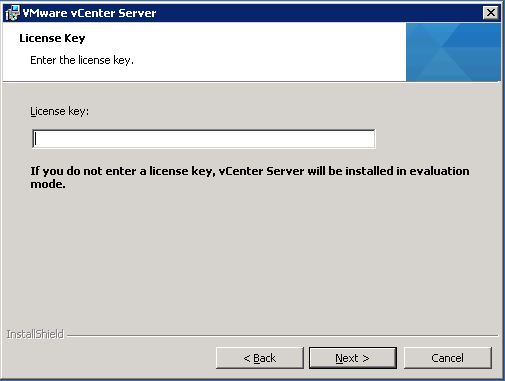
no need to input any license since this is a LAB just click Next and it will install the evaluation License35
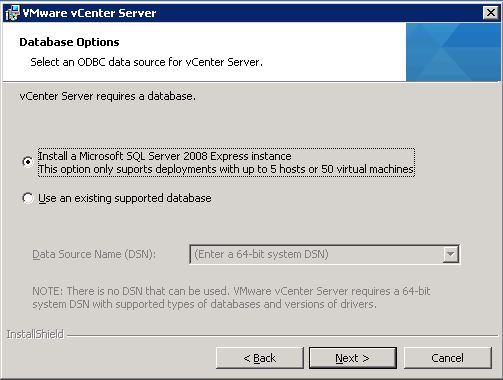
Choose to install the Database
36
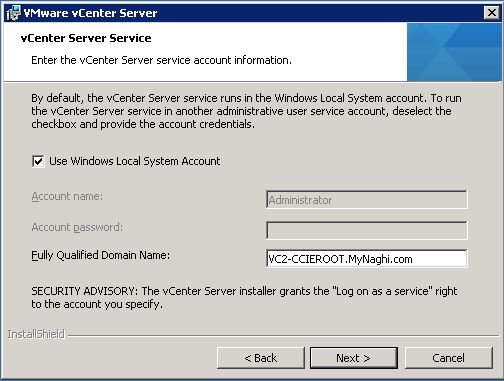
Check the box to use the Administrator Account since i’m login with the Domain Admin Credential37
Create a standalone vCenter
38
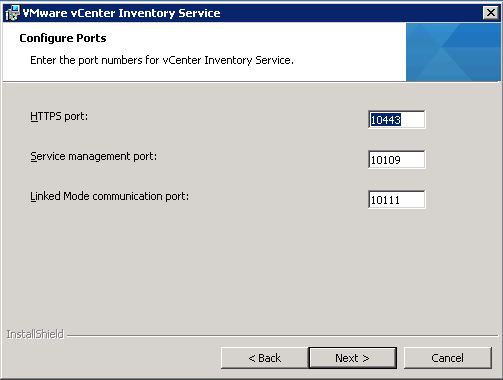
Click Next to Accept the Default Ports
39
Choose the Small Size
40
and again Enter the Credential of the SSO Server
41
Click Yes
42
Click Next
43
make sure the name is the correct one
44
Click Next
45
Click Install
46
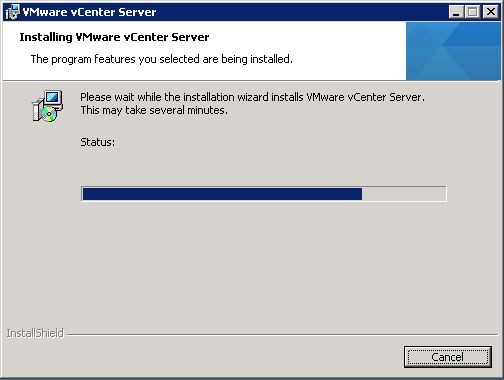
it will take couple of minute
47
and the database will take more time too48
once the SQL is finish the Server will progress with the vCenter Installation
50
Click Finish
51
and as you can see all my servers are installed52

Now we will repeat the same step in the second vCenter (VC2-CCIEROOT) for both feature Web Client and Inventory but for vCenter Server there is a little change so i will show it to you here
so select vCenter Server > Install 1
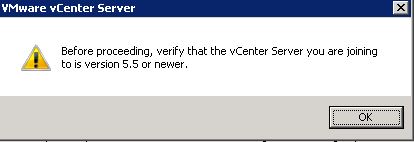
Click OK
2
Click Next
3
Accept the Agreement
4
Click Next on the License
5
Select to install the SQL Database
6
Also use the Local Admin here
7
Now this is the most important Step
Choose to join a VMware vCenter Server group using Linked Mode
8
Click OK
9
ENter the DNS FQDN for the first vCenter
(VC1-CCIEROOT.mynaghi.com)
and click Next
10
Click Next
11
Select Small Size Deployment
12
Enter the Credential of the SSO Server
13
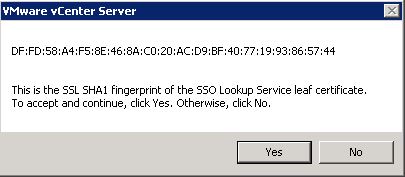
Click Yes to Accept the SSL SHA1 fingerprint
14
Click Next
15
Enter the FQDN of the Server
(VC2-CCIEROOT.mynaghi.com)
16
Click Next
17
Click Install
18
Give it time
19
and more time20
and more more time 😀21
and just more more more time
i promise this is the last time
22
and Finish
23
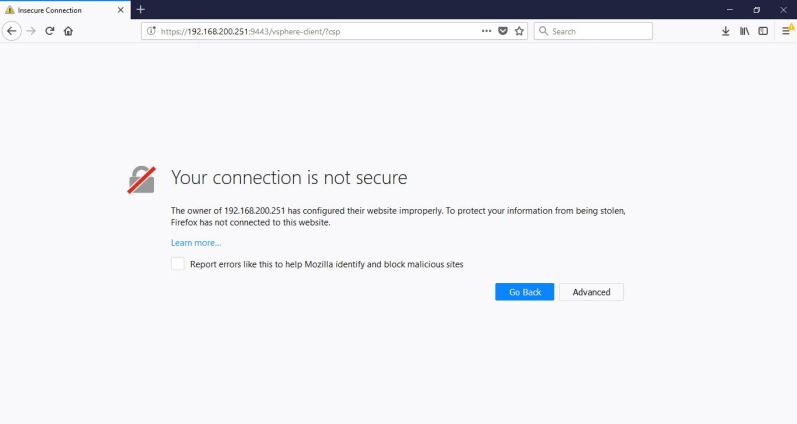
now let’s browse to the vCenter page
vCenter 1 (VC1-CCIEROOT): 192.168.200.251
Click Advanced to accept the Certificate24
Confirm it
25
and now i will login to the vCenter page26
and as the page of vCenter show up click on vCenter27
and as you can see it show two vCenter in my page
VC1-CCIEROOT.mynaghi.com & VC2-CCIEROOT.mynaghi.com 28
As Easy As It Get  😀

Standard